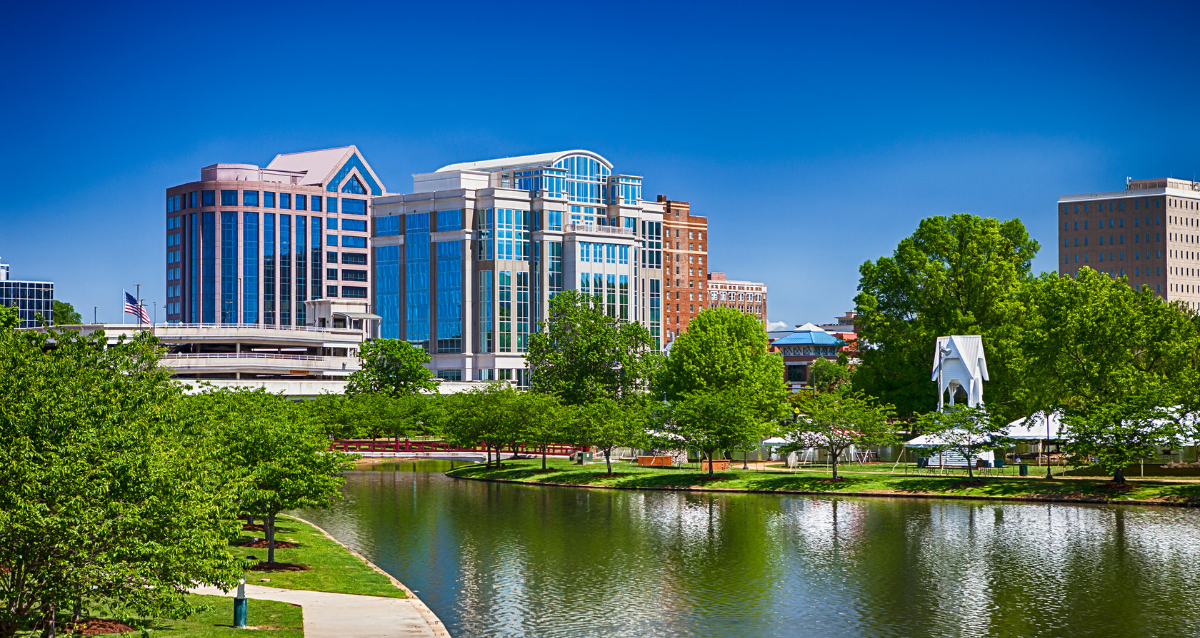


Huntsville is Alabama’s most populated city and the fastest growing. New businesses opening every day mean more people from out of state moving in.
Most of the country views Alabama as having stereotypical “redneck” attributes, such as farm land with tractors, country folk, and those deep southern voices that are often made fun of. Once you actually see Huntsville, it’s a mind blower on how different it is from the stereotypes.
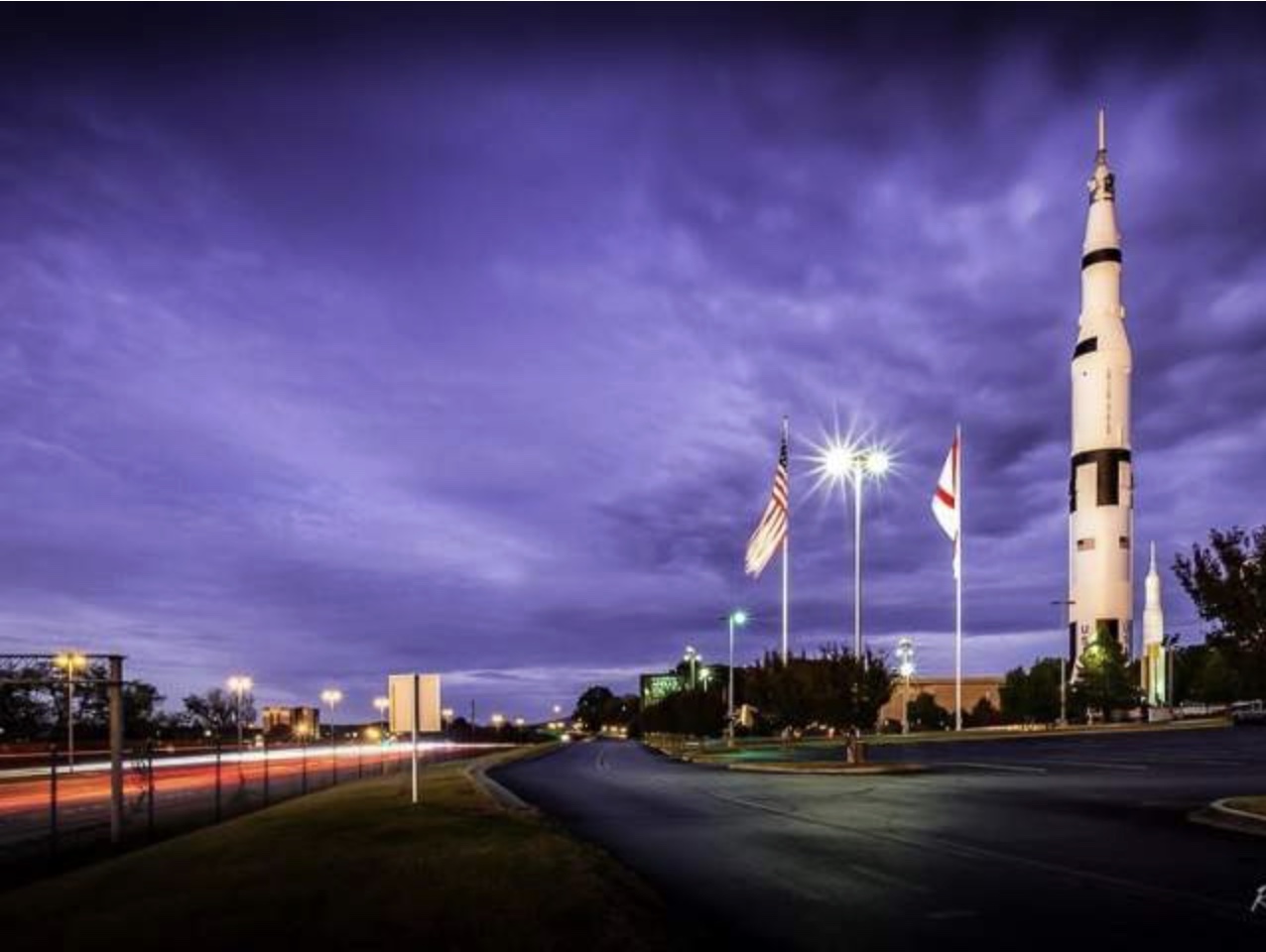
Since the 50s, Huntsville has held the nickname “The Rocket City” for its rocket and space mission development. The advancement of technology throughout the decades brought more space jobs throughout the generations, attracting more people.
Rocket City continues to grow day by day. The job market is booming with tech, aerospace, and business jobs. On top of that, family-friendly neighborhoods, new housing, and a record-breaking low cost of living are making more people fall in love with the city.
“The City of Huntsville has been ranked in the Top 5 Most Affordable Metros in the U.S. since 2020 (currently #3 Most Affordable in the U.S. for cities above 100,000 in population).” Shane Davis, Director of Urban and Economic Development for Huntsville, wrote.
According to Yellowhammer News, as of July 1, the Rocket City’s estimated population reached 249,102; a 15.9% increase since the 2020 census.
With the ongoing population growth, the city has to expand. If you were to drive around the city, you would notice construction and road work frequently. It seems like new neighborhoods are being built every month.
According to Davis, the creation of 46,000, since 2014, new jobs has fueled new residential and commercial growth. With the lower cost of living, jobs within the Redstone Arsenal, and quality of life, over 18,000 housing units were added since April 1, 2020, according to the City of Huntsville.
Although this sudden growth is good for the economy and the city in general, there are downsides to this. Overcrowded roads and highways cause traffic congestion, making it harder to get where you need to go. As more and more people move in, the cost of living will most likely rise. For now, it’s significantly lower than other cities.
As the city continues to grow and expand, pollution isn’t really thought about by the general public. Public infrastructures and construction projects are necessities when it comes to enlarging a metropolitan area, leading to high amounts of emissions into the air. This, along with a higher amount of waste due to the city and citizens, has people wondering where it all goes. It’s a wonder if elected officials are actually doing something about this recurring subject.
“Mayor Battle has a Sustainability Commission that is focused on ensuring our community remains good stewards to our environment for future generations,” Davis wrote. “For example, in partnership with Huntsville Utilities, we continue to invest in solar energy projects that generate sustainable green energy. We have completed three solar projects to date and are currently working on two additional solar projects.”
As Huntsville started to grow, it was decided the city needed more businesses to increase population; more housing and high-tech jobs that pay well for those qualified, heavy road work, more monetary investments to public services.
“An increase in population growth can present challenges to communities if a community is not prepared for growth,” Davis wrote. “The City of Huntsville created a growth strategy back in 2010 with the City’s Big Picture Master Plan. This master plan developed a strategy for regional growth that included: new job creation, public infrastructure investments, expanded public services, and improved quality of life.”
Under this plan, thousands of jobs were created, making the city more desirable and boosting the economy.
“This strategy has created 52,000 new jobs for the region since 2014, allowing residents to have opportunities for personal income growth,” Davis wrote.
As Huntsville keeps progressively growing, does the city ever fall behind on new business and housing development plans? Having a 15.9% increase since 2020, are there ways they’ve made it to where they can’t get behind?
“The City of Huntsville has two Capital Improvement Funds that fund public infrastructure projects,” Davis wrote. “These Capital Improvement Funds are dedicated to improving the City such that we do not get behind or delay infrastructure that is needed to keep up with the growth.”
Even with the low cost of living, some families are still struggling to make ends meet. Most of the new, better-paying jobs require some type of certification or degree, which many don’t possess, making it harder to progress to a better-paying job.
According to Apartments.com, you can expect to pay around $18,000/year for housing, $8,340/year for groceries, and over $12,000/year for goods and services. These costs vary by family size and location. The average rent in Huntsville is $1,075, which is 34% lower than the national average.
Growing cities such as Huntsville offer ways to help those near or in poverty in many ways, such as shelters, food banks, clothing drives, income-based living and more. Private companies will often participate with funding to help those in need of living essentials.
“Our annual budget includes funding of $30 million annually to non-profit organizations to assist those in need within the community,” Davis wrote “As for assisting the underserved community, the City partners with other agencies (Huntsville Housing Authority, First Stop, Mana House, United Way, Food Bank of North Alabama, and others) to provide funding and resources to assist residents in needed.”
It makes you wonder how the city funds these big projects, like the expansion of Big Spring Park, improvements to the city and regular maintenance. Capital funds are used to make these projects happen, so they aren’t delayed, leading us to receive more infrastructure upgrades in a respectable amount of time.
“The City of Huntsville has two Capital Improvement Funds that fund public infrastructure projects,” Davis wrote. “These Capital Improvement Funds are dedicated to improving the City such that we do not get behind or delay infrastructure that is needed to keep up with the growth.”
The more we grow as a city, the more the city will need. With the growth, we have obtained new businesses that most people from Huntsville and neighboring counties wanted, such as Trader Joe’s, Whole Foods, Cheesecake Factory, and, most recently, IKEA, according to Davis. As the city gains improvements, the more desirable it seems to newcomers and it’s quite infatuating seeing the city grow day by day.