

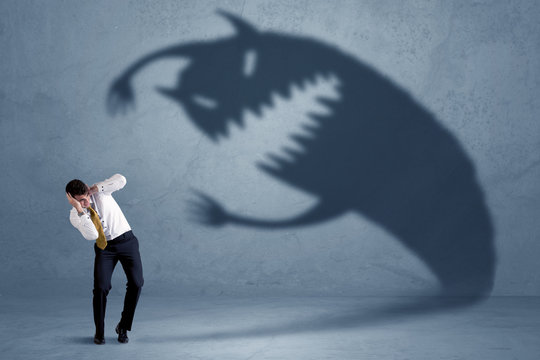
The term “phobia” means an intense, irrational fear caused by a specific object. Some could have a fear of heights, spiders or enclosed spaces, but the rarest ones come from a traumatic event, high-stakes anxiety or learned behavior. A phobia comes from the part of the brain that controls fear responses.
Overwhelment is one of the main components of phobias. In extreme phobias, anxiety is also a huge part of it. The effects on the body from a phobia can lead to less functional interactions during work or school and a higher risk of mental disorders, according to the U.K. National Health Service.
Common phobias are commonly known because they fall along with frequent fears that people have.
- Acrophobia, the fear of heights, is one of the most common fears among adults. It can range from fear of being on steep roller coasters to being terrified in tall skyscrapers.
- Claustrophobia, the fear of small enclosed spaces, can make people feel cramped and as if there is no way to escape. This could develop fear of a little room in the elevator, or even a sense of panic in large crowds.
- Arachnophobia, the fear of spiders, can develop over time in the span of a short or long-term period. Most people would not be excited to be near spiders, but with this phobia, these sets of people would avoid these creatures at all costs.
- Agoraphobia is known as the fear of uneasily inescapable spaces. This could tie into claustrophobia as far as feeling trapped, but could also be considered its own since it mainly involves large spaces and gatherings.
- Social phobia is a fear that ties with anxiety involving spaces where people would normally socialize. With this phobia, there are fears of judgment or embarrassment from others. It can be hard for someone to socialize with this fear since it’s more intensely anxiety-related.
Although there are common fears, the rarest forms of phobias are rooted in specific things most people wouldn’t think of. Although these aren’t the top five rarest phobias, they are still worth researching.
- Papyrophobia, the fear of paper, makes people avoid paper items in general. They worry about developing a painful open wound from something that seems harmless to others.
- Emetophobia, the fear of vomiting, is an intense fear that some have since the thought, smell and texture of vomit makes them anxious. These groups of people would also try to avoid getting sick so that vomiting wouldn’t occur.
- Decidophobia, the fear of making a decision, makes people overwhelmed with the pressure of choosing. Making different choices can be good or bad if you’re indecisive, but relying on these with this phobia makes them feel as if their whole life depends on the decision they make.
- Aromaphobia, the fear of spices, is more two-sided for those with a bright food color palette. This fear could make these groups of people isolated from trying new things they may even like.
- Anuptaphobia, the fear of staying single. Sometimes there are moments where people prefer to be alone and then there are moments when they don’t, but being with someone just to simply fill an emptiness isn’t good. This fear could tie into those who have emotional fears as physical.
Phobias are fears that can grow larger and larger if untreated. Some people don’t usually ask for help when it comes to these fears, but there are sources available that can help those in need. Don’t discourage those with fears since you never know how severe they could be.