

The intricate designs of African hairstyles have stood the test of time, surviving thousands of years of discrimination and perseverance. These hairstyles evolved into many different cultures all around the world, including African American culture. African hairstyles were brought to America several centuries ago through the transatlantic slave trade and have expanded throughout the years. Currently, these hairstyles serve as a growing staple in American culture.
Most of the afro-textured hairstyles that are popular today originated in Africa. Countries such as Ethiopia, Egypt, Ghana and Nigeria developed various hairstyles, each with its own purpose. Cornrows and braids originated in West Africa to protect their kinky curls from breakage, and dreadlocks that emerged from Egypt allowed their hair to grow free in its natural texture. Aside from protection, these hairstyles also communicated messages such as age, marital status, religion, wealth, communal rank or ethnic identity. They served as vessels that connected each individual to their community.
“Hairstyles serve not only functional roles, such as protecting hair, but also societal roles,” the National Museum of African American History and Culture said in their “Strands of Inspiration” article. “Hair care and styling define Black identities by allowing individuals and groups to express their personal style.”
These hairstyles were brought to America through the transatlantic slave trade, beginning in the 1400s. As enslaved people from many different African countries were brought to America, their cultures began to mix, and new hairstyles were born through the combination of two or more different hairstyles. However, the cultural pride and identity these hairstyles represented worried slave traders. According to the African American Museum of Iowa, slave traders began shaving the heads of their captives to humiliate and demoralize. In African culture, shaving one’s head was the equivalent of taking their identity.
“The forced removal of hair communicated that the Africans—whoever they were before they had been taken—no longer existed,” Majestie Vernado wrote in her project “Heavy is the Head: Evolution of African Hair in America from the 17th c. to the 20th c.”. “This was imperative in demonstrating the Africans’ new position in the West: the lesser.”
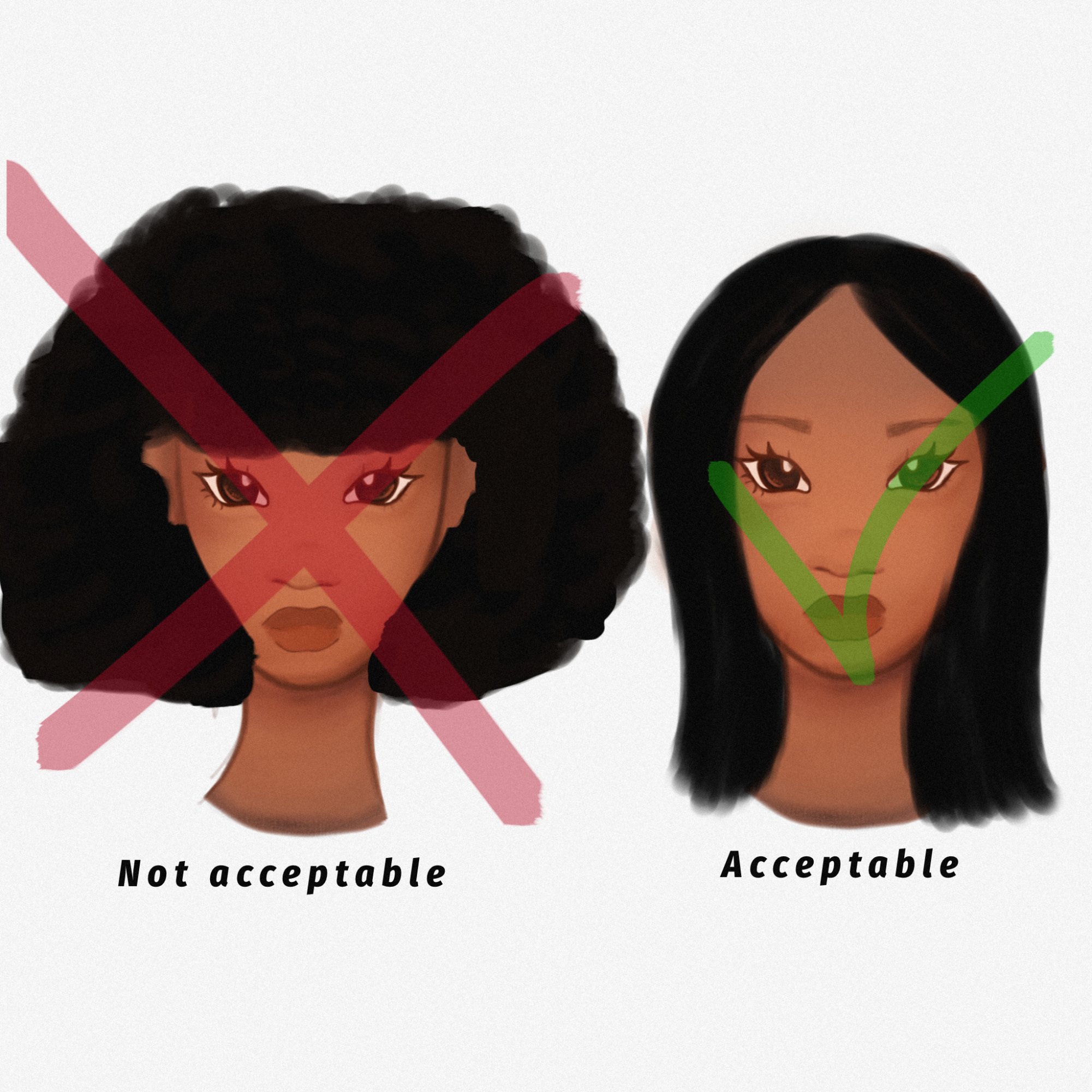
After the Civil War, Eurocentric beauty standards, such as straightened hair, were heavily pushed onto freed African Americans. Hair straightening practices, such as the hot-comb, damaged their kinky, coily hair texture. As the Civil Rights Movement arose, so did hairstyles that rejuvenated their natural curls. The afro, which was popularized during the late 1960s and early 1970s, became a politicized symbol of the Civil Rights Movement. It symbolized a rejection of Eurocentric beauty standards and a celebration of African American culture. This movement also revitalized the older hairstyles that originated in Africa, such as braids and dreadlocks, repopularizing them.
“The notion of conforming to European standards did not fit with their message of Black power,” journalist Madison Horne wrote in her 2018 article for History.com. “Sporting these natural styles was its own form of activism, and seen as a statement in reclaiming their roots.”
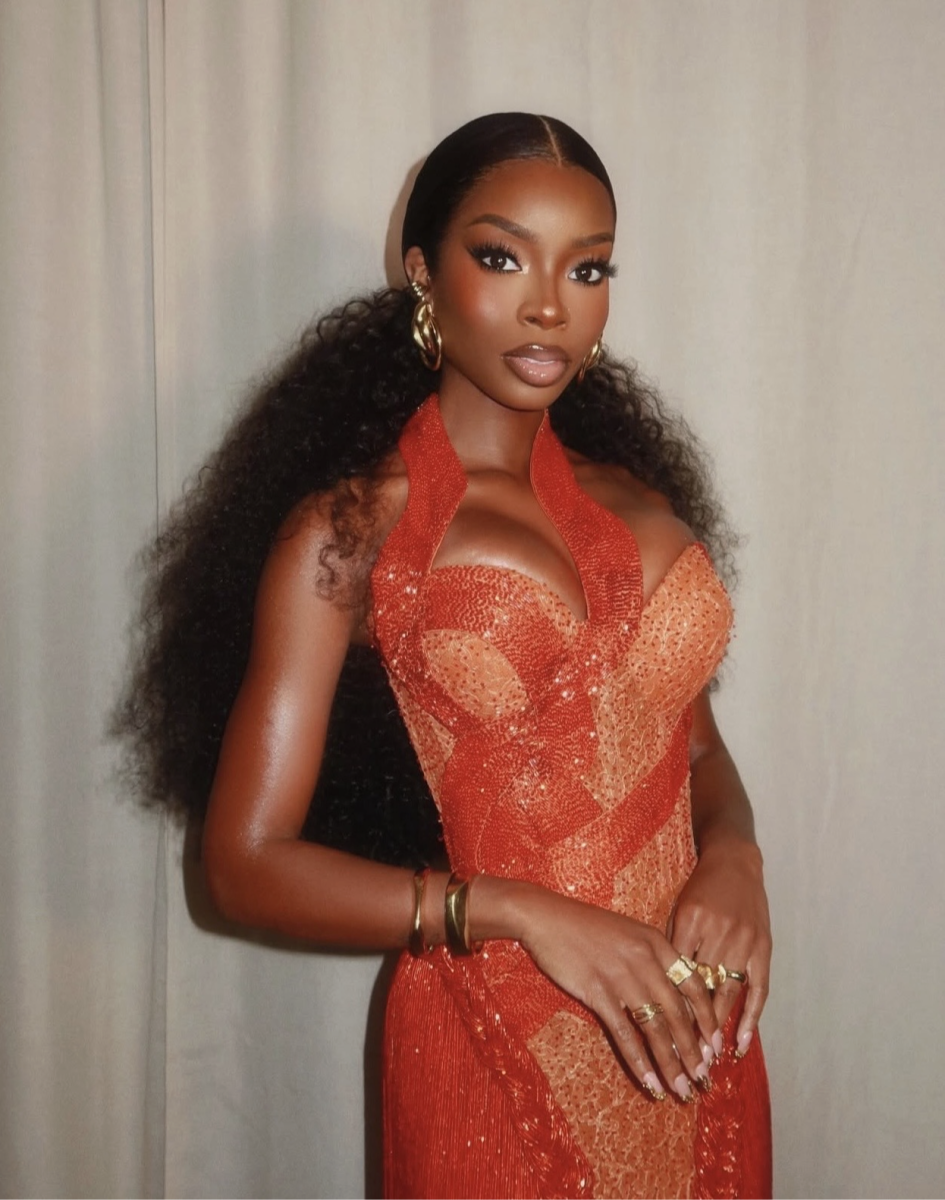
Over the years, afro-textured hairstyles have become increasingly more popular. They are featured in TV shows, social media, music videos and in everyday life. Today, there are dozens of types of braids, dreads, and cornrows worn by African Americans all over America.
“The history of afro-textured hair is more than a tale of evolving hairstyles; it is a reflection of the broader sociopolitical transformations experienced by people of African descent,” journalist Kemi Fabusiwa said in the British Journal of Dermatology.